Hrvatski
 Magyar
 Deutsch
 Español


There are no more items in your cart

Peptides are widely studied in sleep research for their role in regulating sleep cycles and supporting normal brain recovery processes. In laboratory settings, these compounds are examined for their influence on sleep onset, sleep depth, and overall sleep architecture.
Scientific research explores how certain peptides interact with neurological pathways involved in relaxation, stress response, and nighttime recovery. They are also studied for their potential role in supporting restorative sleep phases and maintaining normal brain function during sleep.
For research purposes only. Not intended for human or animal use.
Sermorelin peptide is a synthetic growth hormone–releasing hormone (GHRH) peptide studied in peptide research for its ability to stimulate the natural release of growth hormone from the pituitary gland. The Sermorelin peptide belongs to a class of regulatory peptides that influence the growth hormone signaling pathway and endocrine regulation. Researchers investigate the Sermorelin peptide to better understand how GHRH peptides affect metabolic regulation, muscle physiology, and hormonal signaling. Because peptides such as the Sermorelin peptide influence growth hormone pathways, this peptide has become an important subject of research in studies related to metabolism, recovery, and peptide-based endocrine regulation.
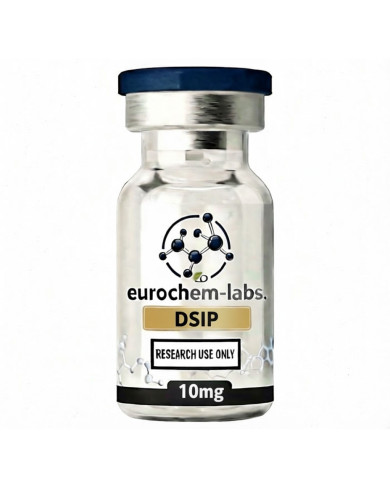
DSIP (Delta Sleep-Inducing Peptide) is a naturally occurring neuropeptide that has been studied for its role in sleep regulation and stress response. The DSIP peptide is of particular interest in peptide research because it appears to influence biological mechanisms associated with deep and restorative sleep. Researchers investigate the DSIP peptide for its potential effects on sleep quality, emotional balance, and cognitive function. In addition, this peptide is explored in studies related to stress regulation, pain modulation, and metabolic processes. Due to these properties, the DSIP peptide remains an important peptide of interest in neuroscience and sleep-related peptide research.
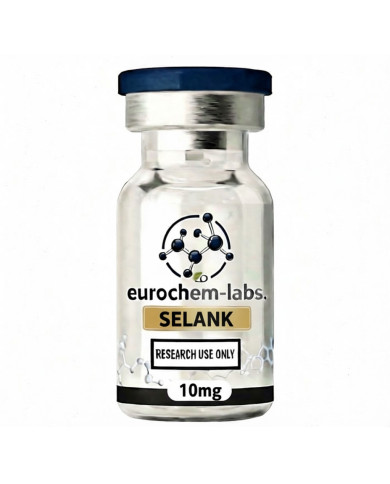
Selank is a synthetic peptide and a heptapeptide analog of the natural human tetrapeptide tuftsin. This research peptide is widely studied for its potential anxiolytic (anti-anxiety), nootropic (cognitive-enhancing), and neuroprotective properties. The Selank peptide is of particular interest in peptide research because it appears to influence key neurotransmitter systems such as serotonin and dopamine. Due to these mechanisms, the Selank peptide is frequently investigated in studies related to mental health, stress resilience, and cognitive performance. Researchers continue to explore this peptide to better understand how peptides may support neurological balance and brain function.
Semax is a synthetic peptide derived from a fragment of adrenocorticotropic hormone (ACTH). This research peptide is widely studied in scientific laboratories for its potential nootropic and neuroprotective properties. The Semax peptide has been investigated for its ability to support cognitive function, improve memory, and promote brain health in experimental settings. Researchers often explore this peptide for its potential role in protecting neural tissue and supporting neurorestorative processes. Due to its unique structure, the Semax peptide continues to be an important peptide of interest in neuroscience and peptide research.
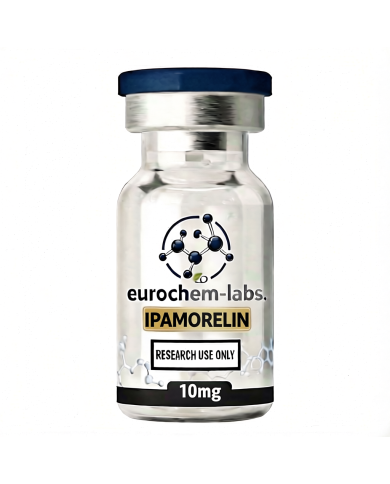
Ipamorelin peptide is a synthetic growth hormone–releasing peptide studied in peptide research for its interaction with ghrelin receptors involved in growth hormone signaling. The Ipamorelin peptide belongs to a class of regulatory peptides known as growth hormone secretagogues, which influence endocrine signaling pathways related to growth hormone release. Researchers investigate the Ipamorelin peptide to better understand how peptides that target ghrelin receptors affect metabolic regulation, muscle physiology, and hormonal signaling pathways. Because peptides such as the Ipamorelin peptide interact with growth hormone pathways, this peptide has become an important subject of research in studies focused on metabolism, recovery, and peptide-based endocrine regulation.
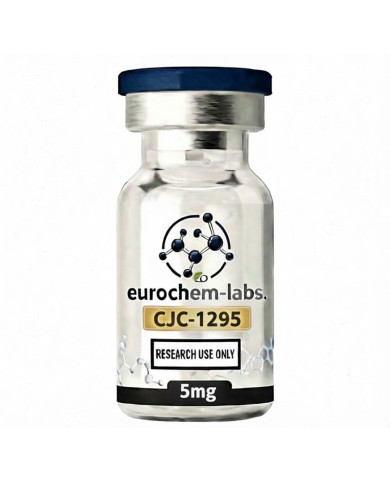
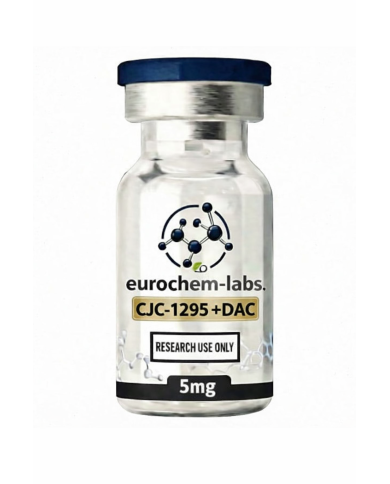
CJC-1295 is a synthetic peptide composed of 30 amino acids that is designed to mimic the biological activity of growth hormone–releasing hormone (GHRH). The CJC-1295 peptide is widely studied in peptide research for its potential ability to stimulate the GHRH receptors in the pituitary gland. Through this mechanism, the CJC-1295 peptide may influence the natural signaling pathways involved in growth hormone (GH) release and IGF-1 production. Due to structural modifications, the CJC-1295 peptide demonstrates an extended half-life compared to many other GHRH-related peptides. Because of these characteristics, this peptide has become an important peptide of interest in studies focused on endocrine signaling, metabolic regulation, and peptide-based hormone research.
CJC-1295 is a synthetic peptide composed of 30 amino acids that is designed to mimic the biological activity of growth hormone–releasing hormone (GHRH). The CJC-1295 peptide is widely studied in peptide research for its potential ability to stimulate the GHRH receptors in the pituitary gland. Through this mechanism, the CJC-1295 peptide may influence the natural signaling pathways involved in growth hormone (GH) release and IGF-1 production. Due to structural modifications, the CJC-1295 peptide demonstrates an extended half-life compared to many other GHRH-related peptides. Because of these characteristics, this peptide has become an important peptide of interest in studies focused on endocrine signaling, metabolic regulation, and peptide-based hormone research.