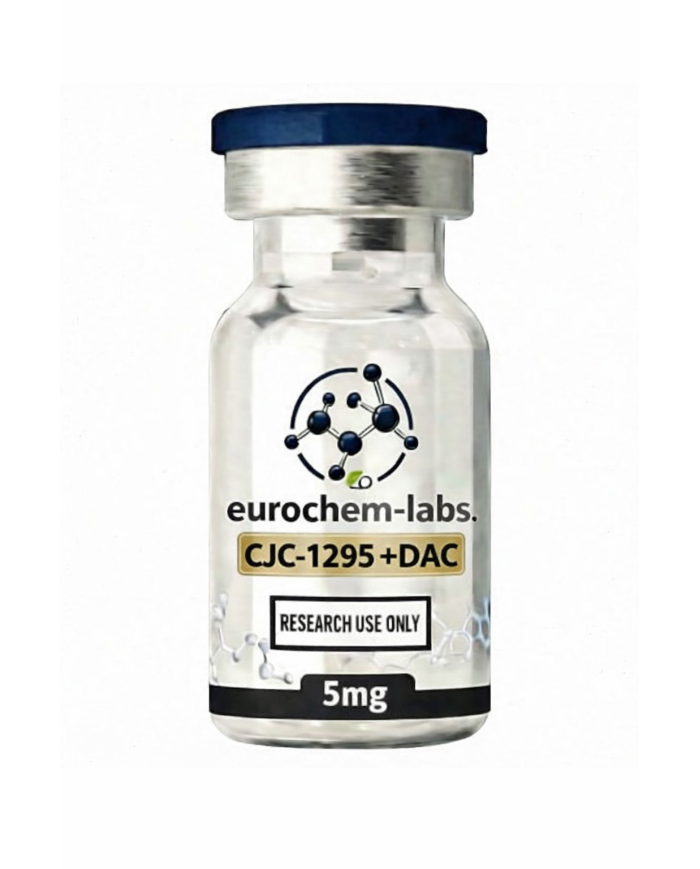
CJC-1295 with DAC 5mg
CJC-1295 is a synthetic peptide composed of 30 amino acids that is designed to mimic the biological activity of growth hormone–releasing hormone (GHRH). The CJC-1295 peptide is widely studied in peptide research for its potential ability to stimulate the GHRH receptors in the pituitary gland. Through this mechanism, the CJC-1295 peptide may influence the natural signaling pathways involved in growth hormone (GH) release and IGF-1 production. Due to structural modifications, the CJC-1295 peptide demonstrates an extended half-life compared to many other GHRH-related peptides. Because of these characteristics, this peptide has become an important peptide of interest in studies focused on endocrine signaling, metabolic regulation, and peptide-based hormone research.
Key Benefits Studied in CJC-1295 Peptide Research
- Growth Hormone Signaling Research: The CJC-1295 peptide is studied for its ability to stimulate growth hormone–releasing hormone (GHRH) receptors in the pituitary gland, which may influence the natural release of growth hormone (GH) and insulin-like growth factor 1 (IGF-1).
- Muscle and Tissue Research: Scientists investigate the CJC-1295 peptide in studies related to protein synthesis, muscle recovery, and tissue repair processes.
- Metabolic Regulation Research: The CJC-1295 peptide is often examined in research exploring metabolic signaling pathways, fat metabolism, and energy balance.
- Cellular Aging Research: Because GH and IGF-1 are involved in cellular maintenance, the CJC-1295 peptide is sometimes studied in experimental models related to aging and physiological resilience.
- Recovery and Regeneration Research: Researchers investigate the CJC-1295 peptide to better understand how growth hormone signaling may influence recovery and regenerative processes.
Mechanism of Action
The CJC-1295 peptide acts as an analog of growth hormone–releasing hormone (GHRH) and interacts with the endocrine signaling pathways that regulate growth hormone release.
- GHRH Receptor Activation: The CJC-1295 peptide binds to GHRH receptors located in the pituitary gland, which may stimulate the natural release of endogenous growth hormone.
- Extended Peptide Stability: The CJC-1295 peptide contains structural modifications that increase its stability and prolong its activity compared to many other GHRH-related peptides.
- IGF-1 Signaling Pathways: Through growth hormone signaling, the CJC-1295 peptide may influence IGF-1 production, which plays an important role in metabolic and cellular signaling pathways.
Potential Research Applications
- Endocrine System Research: The CJC-1295 peptide is frequently studied in research investigating the growth hormone / IGF-1 axis.
- Metabolic Research: Scientists explore how the CJC-1295 peptide may influence metabolic regulation and energy balance.
- Muscle Physiology Research: The CJC-1295 peptide is investigated in studies related to muscle recovery and protein metabolism.
- Aging Research: Researchers examine how growth hormone signaling peptides such as the CJC-1295 peptide may influence age-related physiological changes.
- Cellular Regeneration Research: The CJC-1295 peptide is studied in experimental models exploring tissue regeneration and repair mechanisms.
Safety and Legal Considerations
CJC-1295 peptide products are typically sold as research compounds. This peptide is not approved for human or animal use by regulatory authorities such as the FDA or EMA. Although the CJC-1295 peptide has been studied in experimental and clinical research settings, additional studies are required to fully understand its long-term safety profile, biological activity, and potential applications.
This product is strictly for laboratory and research purposes only. It is not intended for human or animal consumption.