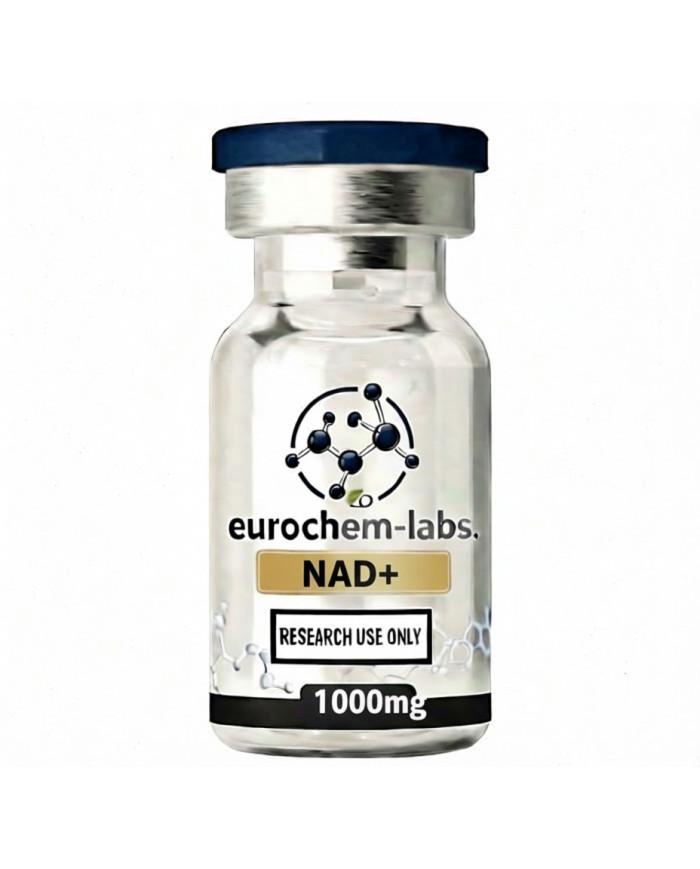
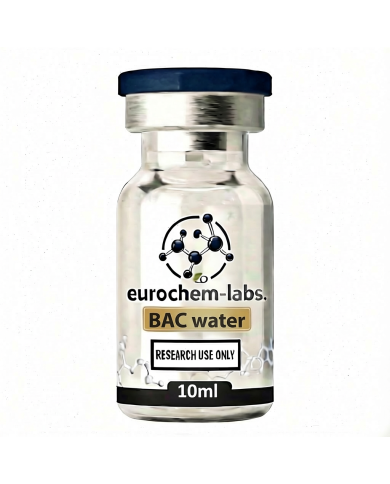
NAD+ 1000mg
NAD+ (Nicotinamide Adenine Dinucleotide) is a vital cellular coenzyme found in all living cells. NAD+ plays a central role in cellular energy metabolism, mitochondrial function, and redox reactions that convert nutrients into ATP. This molecule is also essential for DNA repair, cellular signaling, and the activation of enzymes such as sirtuins and PARPs that regulate metabolic health and cellular stress responses. Because NAD+ levels naturally decline with age, NAD+ has become an important focus of research related to aging, metabolic function, and cellular health.
Detailed Description of NAD+
Definition and Composition
NAD+ (Nicotinamide Adenine Dinucleotide) is a dinucleotide coenzyme composed of two nucleotides joined through phosphate groups: nicotinamide and adenine. NAD+ exists in two forms, NAD+ (oxidized) and NADH (reduced), which together play a fundamental role in cellular redox reactions. NAD+ functions as a key electron carrier in cellular respiration, enabling the conversion of nutrients into ATP, the primary energy source for cells. Scientific research has shown that NAD+ levels decline naturally with age, and this reduction has been associated with metabolic dysfunction, mitochondrial impairment, and age-related cellular stress.
Key Biological Functions of NAD+
- Energy Metabolism: NAD+ is essential for mitochondrial activity and ATP production, supporting cellular energy metabolism and metabolic balance.
- DNA Repair and Cellular Maintenance: NAD+ acts as a cofactor for enzymes involved in DNA repair mechanisms, including PARP enzymes that help maintain genomic stability.
- Sirtuin Activation: NAD+ is required for the activity of sirtuins (SIRT1–SIRT7), proteins involved in regulating gene expression, cellular stress resistance, and metabolic regulation.
- Neuroprotective Research: NAD+ has been studied for its potential role in supporting neuronal energy metabolism and protecting brain cells from metabolic stress.
- Metabolic Regulation: NAD+ participates in pathways that regulate glucose metabolism, lipid metabolism, and mitochondrial efficiency.
- Cellular Stress Response: NAD+ plays an important role in cellular signaling pathways that help cells adapt to oxidative and metabolic stress.
Mechanism of Action
NAD+ participates in several essential biochemical pathways that maintain cellular function and energy production.
- Redox Reactions: NAD+ acts as an electron carrier during glycolysis, the Krebs cycle, and oxidative phosphorylation, which are critical steps in cellular energy production.
- Sirtuin Regulation: NAD+ is required for sirtuin enzymes that regulate metabolism, DNA repair, and cellular stress responses.
- PARP Activation: NAD+ supports poly(ADP-ribose) polymerase enzymes that detect and repair DNA damage.
- Cellular Signaling: NAD+ participates in intracellular signaling pathways that regulate metabolism, inflammation, and cell survival.
Potential Research Applications
- Aging Research: NAD+ is widely studied for its potential role in supporting mitochondrial health and cellular resilience during aging.
- Neurodegenerative Disease Research: Scientists investigate NAD+ metabolism in relation to neurological conditions such as Alzheimer’s disease and Parkinson’s disease.
- Metabolic Disorders: Research explores how NAD+ influences glucose metabolism, insulin sensitivity, and mitochondrial function.
- Cardiovascular Health Research: NAD+ pathways are studied for their potential role in vascular health and endothelial function.
- Cellular Energy Research: NAD+ remains a central focus in studies investigating cellular metabolism and energy regulation.
Safety and Legal Considerations
NAD+ is a naturally occurring coenzyme found in all living cells and is produced through several metabolic pathways. In research contexts, NAD+ and related precursors such as nicotinamide riboside (NR) and nicotinamide mononucleotide (NMN) are commonly studied for their biological roles. However, NAD+ products sold for laboratory research are not approved for human or animal consumption unless specifically regulated by relevant authorities.
This product is strictly for laboratory and research purposes only. It is not intended for human or animal consumption.