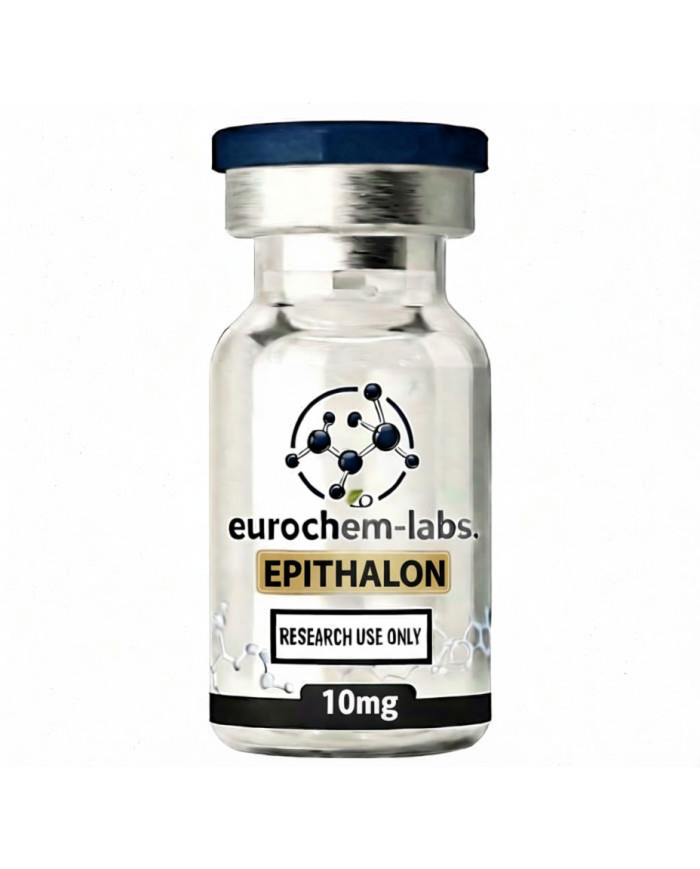
Epithalon Részletes Leírása:
Definíció és Összetétel: Az Epithalon egy bioregulációs peptide, ami négy aminosavból áll: alanin, glutaminsav, aszparaginsav és glicin. Az Epithalon kifejlesztése az epithalamin nevű peptid kutatásaira épült, amelyet a tobozmirigy választ ki, és kulcsfontosságú szerepet játszik a test biológiai órájának és öregedési folyamatainak szabályozásában. Az Epithalon célja, hogy leutánozza és fokozza a természetes epithalamin hatásait, különösen a telomeráz aktivitásra és a sejtes öregedésre gyakorolt hatását.
Az Epithalon Fő Előnyei:
- Telomerkép Elongációja: Az Epithalon serkenti a telomeráz termelését, egy enzimet, ami segít fenntartani és meghosszabbítani a telomereket - a kromoszómák védősapkáit -, ezzel lassítva a sejtes öregedést és meghosszabbítva a sejtek élettartamát.
- Anti-aging Hatások: Hosszabb életet segít elérni az oxidatív stressz csökkentésével, a DNS javításának elősegítésével és az egészséges sejtosztódás támogatásával. Kutatják a potenciálját az életkori betegségek késleltetésére és az általános vitalitás javítására.
- Cirkadián Ritmusok Szabályozása: Segít normalizálni a melatonin termelést és az alvás-ébrenlét ciklusokat, ami javíthatja az alvásminőséget és csökkentheti az életkorral összefüggő alvászavarokat.
- Immunrendszer Támogatása: Szabályozza az immunrendszer működését a természetes gyilkos (NK) sejtek termelésének növelésével és a szervezet ellenálló képességének növelésével a fertőzések és betegségek ellen.
- Anyagcsere és Endokrin Egyensúly: Befolyásolja a melatonin, kortizol és más hormonok kiválasztását, támogatva ezzel az anyagcsere egészségét, a stressztűrő képességet és a hormonális egyensúlyt.
- Neuroprotektív Tulajdonságok: Potenciált mutat az idegsejtek degenerációjának védelmében, a kognitív funkciók javításában és az Alzheimer-kórhoz hasonló neurodegeneratív betegségek kockázatának csökkentésében.
A Működési Mechanizmus: Az Epithalon több úton működik:
- Telomeráz Aktiváció: Növeli a telomeráz aktivitását a sejtekben, amely segít megőrizni a telomerek hosszát és késlelteti a sejtes öregedést.
- Antioxidáns Hatások: Csökkenti az oxidatív károsodást a szervezet természetes antioxidáns védelmi mechanizmusainak fokozásával, védi a sejteket az idő előtti öregedéstől.
- Tobozi Mirigy Serkentése: Támogatja a tobozmirigy működését, optimalizálja a melatonin kiválasztását és szabályozza a cirkadián ritmusokat a jobb alvás és az általános egészség érdekében.
- Hormonális Szabályozás: Egyensúlyba hozza a kortizol, a növekedési hormon és más kulcsfontosságú hormonok termelését, hozzájárulva az anyagcsere stabilitásához és a stresszadaptációhoz.
Potenciális Kutatási Alkalmazások:
- Anti-aging és Hosszú Élet: Vizsgálják az élettartam meghosszabbítására, a bőr egészségének javítására és az életkorral összefüggő állapotok kezdetének késleltetésére való képességét.
- Neurodegeneratív Betegségek: Kutatják a neuroprotektív hatásait és a potenciálját az Alzheimer-kór, a Parkinson-kór és más neurodegeneratív rendellenességek progressziójának lassítására.
- Immunfunkció: Felfedezik a szerepét az immunválasz fokozásában és az gyulladás csökkentésében, különösen az öregedő populációkban.
- Alvás és Stressz Kutatás: Vizsgálják a képességét az alvásminőség javítására, a stressz csökkentésére és a mentális tisztaság támogatására.
- Rákkutatás: Előzetes tanulmányok arra utalnak, hogy az Epithalon gátolhatja a daganatnövekedést és támogathatja az egészséges sejtosztódást, bár ezen a területen további kutatás szükséges.
Biztonsági és Jogszabályi Megfontolások: Az Epithalon nem engedélyezett emberi vagy állati felhasználásra a szabályozó hatóságok által. Habár biztonságosnak tartják az előklinikai és korlátozott emberi tanulmányokban, további kutatások szükségesek annak teljes körű biztonságának, hatékonyságának és optimális adagolásának meghatározásához.
Ez a termék kizárólag laboratóriumi és kutatási célokra szolgál. Nem szánt emberi vagy állati fogyasztásra.

 English
 Hrvatski
 Deutsch
 Español