Hrvatski
 Magyar
 Deutsch
 Español
There are no more items in your cart

Peptides are widely studied in reproductive health research for their role in regulating hormonal activity and neurological signaling. In laboratory settings, these compounds are examined for their interaction with receptors in the central nervous system that influence libido, hormonal balance, and reproductive function.
Scientific research focuses on how peptides affect pathways related to sexual function, hormonal changes, and reproductive processes. They are commonly used in studies involving erectile dysfunction, hypoactive sexual desire disorder (HSDD), and hormonal variations during different life stages, including perimenopause.
For research purposes only. Not intended for human or animal use.
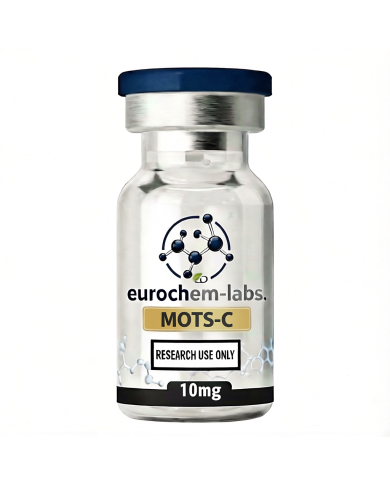
MOTS-C (Mitochondrial Open Reading Frame of the 12S rRNA-c) is a mitochondrial-derived peptide (MDP) encoded within the mitochondrial genome. It is extensively researched for its potential to , promote fat loss, improve insulin sensitivity, and support longevity by regulating cellular energy metabolism. MOTS-C is a promising candidate in studies focused on obesity, type 2 diabetes, aging, and exercise performance.
This product is intended solely for research purposes and is not for human or animal consumption.
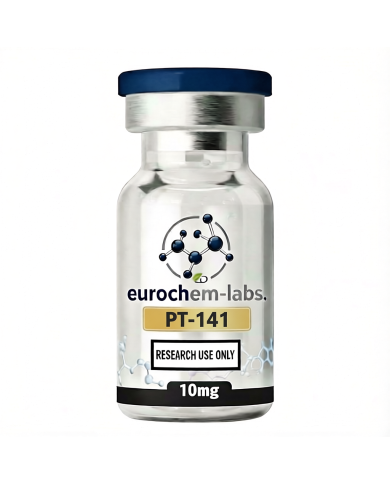
PT-141 (Bremelanotide) is a synthetic melanocortin peptide studied in peptide research for its interaction with melanocortin receptors involved in neurological signaling. The PT-141 peptide is derived from melanocortin-related peptides and is investigated for its ability to influence pathways in the central nervous system. Because melanocortin peptides play a role in several physiological signaling mechanisms, the PT-141 peptide has become an important peptide of interest in studies related to neurological peptides, regulatory peptides, and melanocortin receptor research.
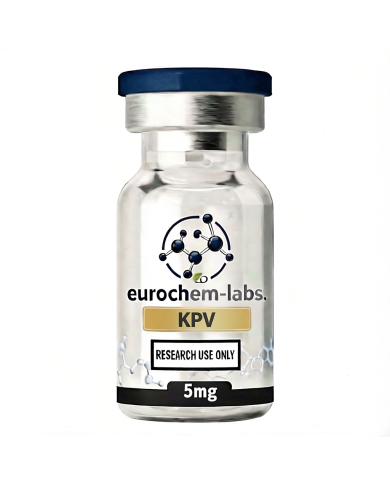
KPV peptide is a synthetic tripeptide derived from the alpha-melanocyte-stimulating hormone (α-MSH) sequence. The KPV peptide belongs to a class of regulatory peptides studied in peptide research for their role in inflammatory signaling and immune system regulation. Researchers investigate the KPV peptide to better understand how anti-inflammatory peptides influence cytokine signaling pathways and immune responses. Because peptides such as the KPV peptide interact with inflammatory pathways, this peptide has become an important subject of research in studies focused on immune regulation, inflammatory diseases, and peptide-based immune signaling.
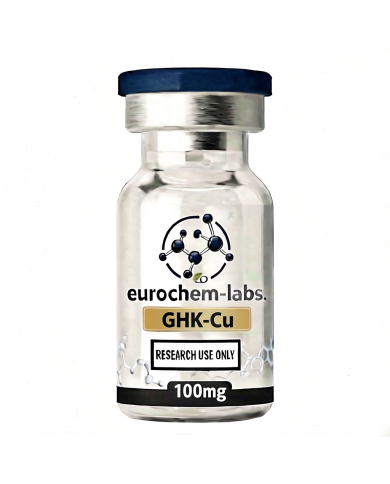
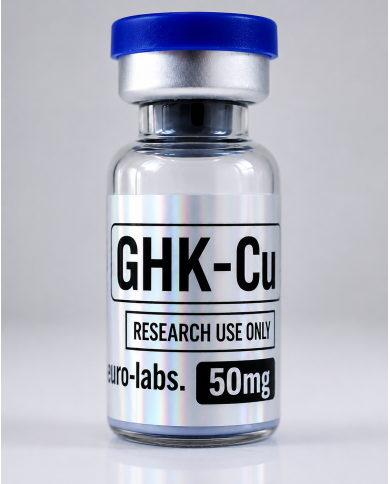
GHK-Cu peptide is a copper-binding peptide belonging to a class of regulatory peptides studied in peptide research for their role in skin biology, tissue repair, and cellular signaling. The GHK-Cu peptide is a naturally occurring copper peptide that forms when the GHK peptide binds with copper ions. In peptide research, GHK-Cu peptides are widely studied for their interaction with biological pathways related to collagen production, tissue regeneration, and skin health. Because copper peptides such as the GHK-Cu peptide influence cellular repair mechanisms, this peptide has become an important subject of research in studies related to regenerative peptides, skin biology, and peptide-based tissue repair.
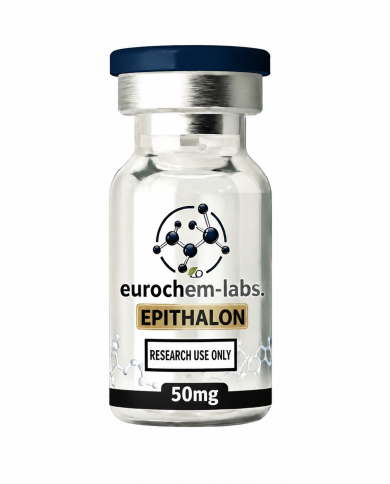
Epithalon is a synthetic bioregulatory peptide composed of four amino acids: alanine, glutamic acid, aspartic acid, and glycine. This Epithalon peptide was developed based on research into epithalamin, a naturally occurring peptide produced by the pineal gland. The Epithalon peptide is widely studied in peptide research for its potential role in regulating biological rhythms and cellular aging processes. Researchers investigate this peptide for its possible influence on telomerase activity, which is associated with cellular lifespan and telomere maintenance. Due to these characteristics, the Epithalon peptide has become an important peptide of interest in studies focused on aging, cellular regeneration, and peptide-based bioregulation.
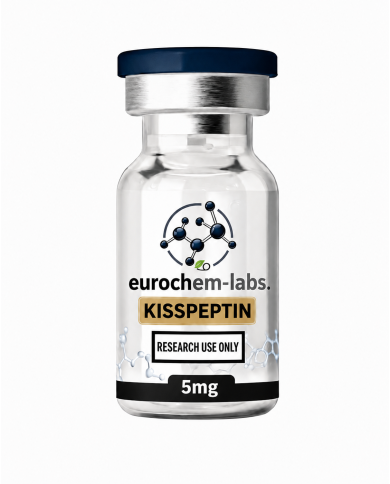
Kisspeptin peptide is a regulatory peptide involved in hormonal signaling and reproductive function research. The Kisspeptin peptide is widely studied in peptide research because peptides related to kisspeptin signaling play an important role in the regulation of the hypothalamic-pituitary-gonadal (HPG) axis and endocrine communication pathways. Researchers investigate the Kisspeptin peptide to better understand how signaling peptides influence hormone release, reproductive physiology, and neuroendocrine activity. Because peptides such as the Kisspeptin peptide participate in biological processes related to hormonal regulation and cellular communication, this peptide has become an important subject of research in studies focused on endocrine peptides, reproductive biology.
GHK-Cu peptide is a copper-binding peptide belonging to a class of regulatory peptides studied in peptide research for their role in skin biology, tissue repair, and cellular signaling. The GHK-Cu peptide is a naturally occurring copper peptide that forms when the GHK peptide binds with copper ions. In peptide research, GHK-Cu peptides are widely studied for their interaction with biological pathways related to collagen production, tissue regeneration, and skin health. Because copper peptides such as the GHK-Cu peptide influence cellular repair mechanisms, this peptide has become an important subject of research in studies related to regenerative peptides, skin biology, and peptide-based tissue repair.