Hrvatski
 Magyar
 Deutsch
 Español
There are no more items in your cart

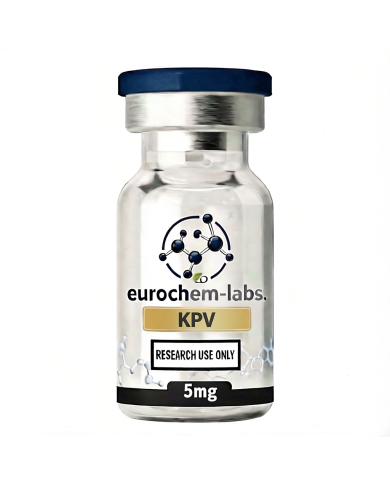
KPV peptide is a synthetic tripeptide derived from the alpha-melanocyte-stimulating hormone (α-MSH) sequence. The KPV peptide belongs to a class of regulatory peptides studied in peptide research for their role in inflammatory signaling and immune system regulation. Researchers investigate the KPV peptide to better understand how anti-inflammatory peptides influence cytokine signaling pathways and immune responses. Because peptides such as the KPV peptide interact with inflammatory pathways, this peptide has become an important subject of research in studies focused on immune regulation, inflammatory diseases, and peptide-based immune signaling.
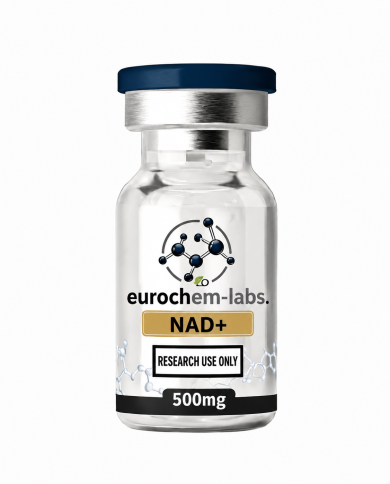
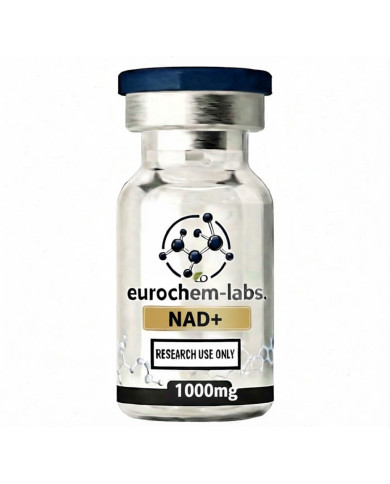
NAD+ (Nicotinamide Adenine Dinucleotide) is a vital cellular coenzyme found in all living cells. NAD+ plays a central role in cellular energy metabolism, mitochondrial function, and redox reactions that convert nutrients into ATP. This molecule is also essential for DNA repair, cellular signaling, and the activation of enzymes such as sirtuins and PARPs that regulate metabolic health and cellular stress responses. Because NAD+ levels naturally decline with age, NAD+ has become an important focus of research related to aging, metabolic function, and cellular health.
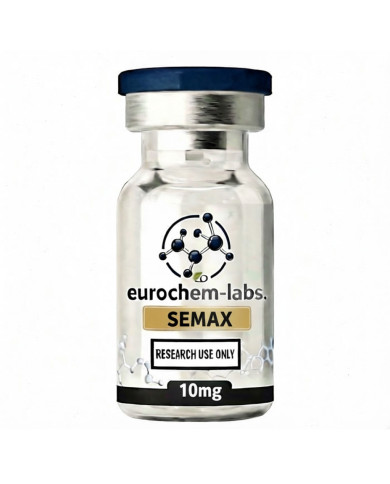
Semax is a synthetic peptide derived from a fragment of adrenocorticotropic hormone (ACTH). This research peptide is widely studied in scientific laboratories for its potential nootropic and neuroprotective properties. The Semax peptide has been investigated for its ability to support cognitive function, improve memory, and promote brain health in experimental settings. Researchers often explore this peptide for its potential role in protecting neural tissue and supporting neurorestorative processes. Due to its unique structure, the Semax peptide continues to be an important peptide of interest in neuroscience and peptide research.
NAD+ (Nicotinamide Adenine Dinucleotide) is a vital cellular coenzyme found in all living cells. NAD+ plays a central role in cellular energy metabolism, mitochondrial function, and redox reactions that convert nutrients into ATP. This molecule is also essential for DNA repair, cellular signaling, and the activation of enzymes such as sirtuins and PARPs that regulate metabolic health and cellular stress responses. Because NAD+ levels naturally decline with age, NAD+ has become an important focus of research related to aging, metabolic function, and cellular health.
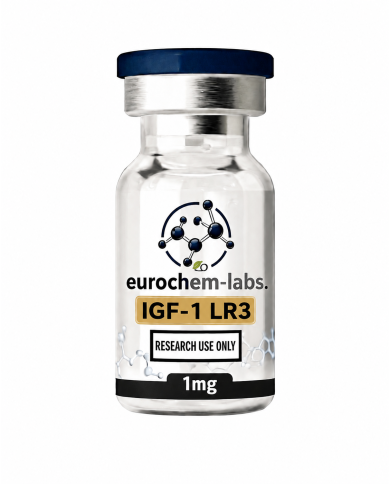
IGF-1 LR3 peptide is a synthetic analog of insulin-like growth factor-1 (IGF-1), engineered for extended biological activity and increased stability in peptide research. The IGF-1 LR3 peptide is widely studied in peptide and cellular research because growth factor-related peptides play an important role in cellular growth, protein synthesis, and metabolic signaling pathways. Researchers investigate the IGF-1 LR3 peptide to better understand how signaling peptides influence muscle cell activity, tissue growth, and cellular regeneration mechanisms. Because peptides such as the IGF-1 LR3 peptide participate in biological processes related to growth signaling and anabolic pathways, this peptide has become an important subject of research in studies focused on growth factors.
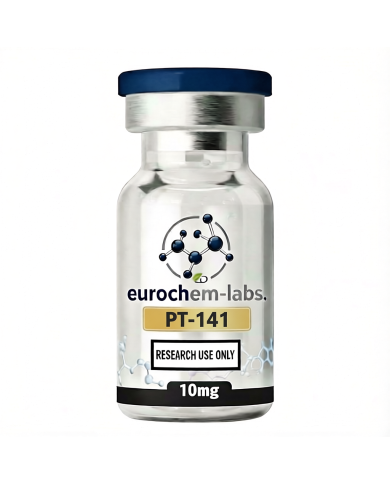
PT-141 (Bremelanotide) is a synthetic melanocortin peptide studied in peptide research for its interaction with melanocortin receptors involved in neurological signaling. The PT-141 peptide is derived from melanocortin-related peptides and is investigated for its ability to influence pathways in the central nervous system. Because melanocortin peptides play a role in several physiological signaling mechanisms, the PT-141 peptide has become an important peptide of interest in studies related to neurological peptides, regulatory peptides, and melanocortin receptor research.