Hrvatski
 Magyar
 Deutsch
 Español

There are no more items in your cart

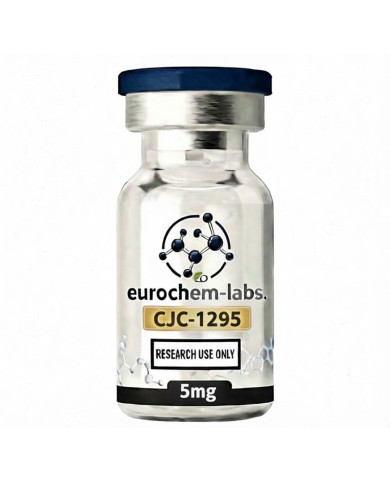
CJC-1295 is a synthetic peptide composed of 30 amino acids that is designed to mimic the biological activity of growth hormone–releasing hormone (GHRH). The CJC-1295 peptide is widely studied in peptide research for its potential ability to stimulate the GHRH receptors in the pituitary gland. Through this mechanism, the CJC-1295 peptide may influence the natural signaling pathways involved in growth hormone (GH) release and IGF-1 production. Due to structural modifications, the CJC-1295 peptide demonstrates an extended half-life compared to many other GHRH-related peptides. Because of these characteristics, this peptide has become an important peptide of interest in studies focused on endocrine signaling, metabolic regulation, and peptide-based hormone research.
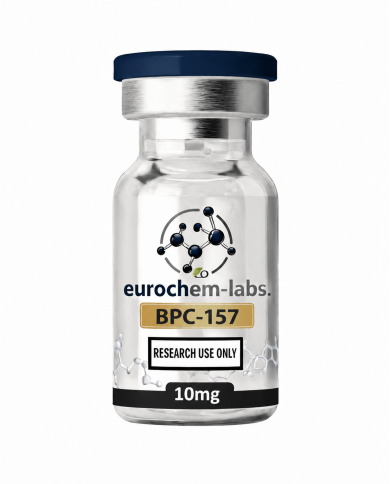
BPC-157 peptide is a synthetic pentadecapeptide derived from a protective protein found in gastric tissue. The BPC-157 peptide belongs to a class of regenerative peptides studied in peptide research for their role in tissue repair, cellular signaling, and inflammatory pathway regulation. Researchers investigate the BPC-157 peptide to better understand how regenerative peptides influence biological processes such as tissue regeneration, muscle physiology, and cellular recovery. Because peptides such as the BPC-157 peptide interact with pathways involved in tissue repair and inflammatory signaling, this peptide has become an important subject of research in studies related to regenerative peptides, gastrointestinal biology, and peptide-based healing mechanisms.
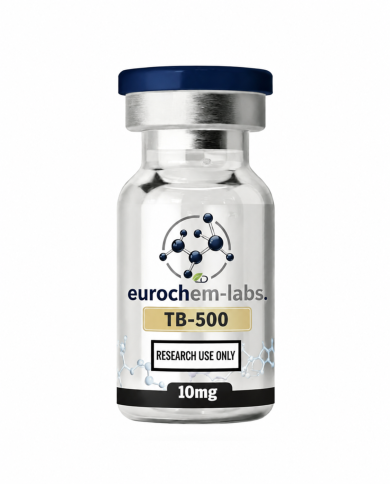
TB-500 peptide is a synthetic peptide derived from thymosin beta-4, a naturally occurring regulatory peptide involved in cellular migration and tissue repair. The TB-500 peptide is widely studied in peptide research because peptides related to thymosin beta-4 play an important role in cellular regeneration and tissue remodeling. Researchers investigate the TB-500 peptide to better understand how regenerative peptides influence cell migration, tissue repair, and inflammatory signaling pathways. Because peptides such as the TB-500 peptide participate in biological processes related to recovery and regeneration, this peptide has become an important subject of research in studies focused on regenerative peptides, muscle physiology, and tissue repair mechanisms.
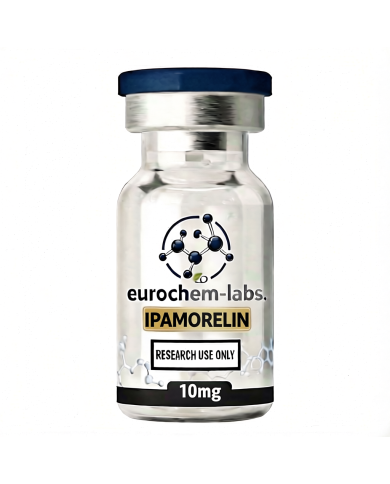
Ipamorelin peptide is a synthetic growth hormone–releasing peptide studied in peptide research for its interaction with ghrelin receptors involved in growth hormone signaling. The Ipamorelin peptide belongs to a class of regulatory peptides known as growth hormone secretagogues, which influence endocrine signaling pathways related to growth hormone release. Researchers investigate the Ipamorelin peptide to better understand how peptides that target ghrelin receptors affect metabolic regulation, muscle physiology, and hormonal signaling pathways. Because peptides such as the Ipamorelin peptide interact with growth hormone pathways, this peptide has become an important subject of research in studies focused on metabolism, recovery, and peptide-based endocrine regulation.
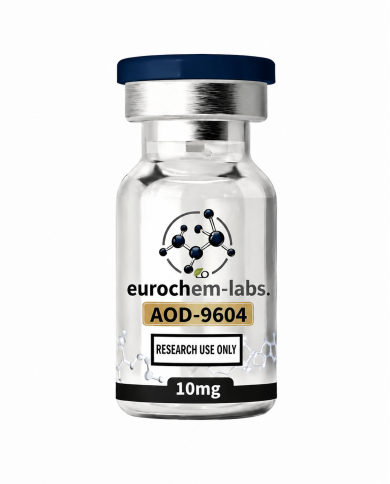
AOD-9604 is a synthetic peptide derived from the C-terminal fragment of human growth hormone (hGH). The AOD-9604 peptide has been developed and studied in peptide research for its potential role in fat metabolism and metabolic signaling pathways. Unlike some growth hormone–related peptides, the AOD-9604 peptide appears to target mechanisms involved in lipolysis and fat metabolism without significantly influencing growth hormone or IGF-1 levels. Because of this selective activity, the AOD-9604 peptide has become an important peptide of interest in studies focused on metabolism, fat metabolism research, and peptide-based metabolic regulation.
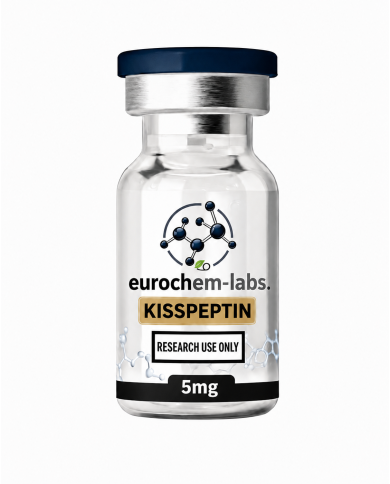
Kisspeptin peptide is a regulatory peptide involved in hormonal signaling and reproductive function research. The Kisspeptin peptide is widely studied in peptide research because peptides related to kisspeptin signaling play an important role in the regulation of the hypothalamic-pituitary-gonadal (HPG) axis and endocrine communication pathways. Researchers investigate the Kisspeptin peptide to better understand how signaling peptides influence hormone release, reproductive physiology, and neuroendocrine activity. Because peptides such as the Kisspeptin peptide participate in biological processes related to hormonal regulation and cellular communication, this peptide has become an important subject of research in studies focused on endocrine peptides, reproductive biology.
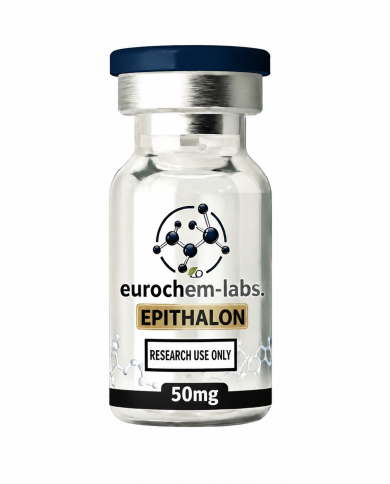
Epithalon is a synthetic bioregulatory peptide composed of four amino acids: alanine, glutamic acid, aspartic acid, and glycine. This Epithalon peptide was developed based on research into epithalamin, a naturally occurring peptide produced by the pineal gland. The Epithalon peptide is widely studied in peptide research for its potential role in regulating biological rhythms and cellular aging processes. Researchers investigate this peptide for its possible influence on telomerase activity, which is associated with cellular lifespan and telomere maintenance. Due to these characteristics, the Epithalon peptide has become an important peptide of interest in studies focused on aging, cellular regeneration, and peptide-based bioregulation.
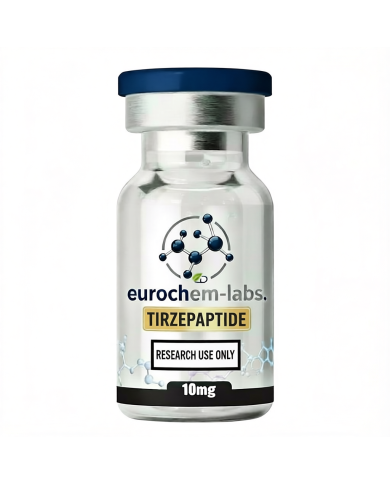
Tirzepatide peptide is a synthetic dual-incretin peptide studied in peptide research for its interaction with GLP-1 and GIP receptors involved in metabolic regulation. The Tirzepatide peptide belongs to a class of regulatory metabolic peptides that influence glucose metabolism, insulin signaling, and energy balance. Researchers investigate the Tirzepatide peptide to better understand how incretin peptides affect metabolic pathways related to glucose control, fat metabolism, and endocrine signaling. Because peptides such as the Tirzepatide peptide interact with multiple metabolic hormone receptors, this peptide has become an important subject of research in studies focused on obesity, metabolic disorders, and peptide-based metabolic therapies.
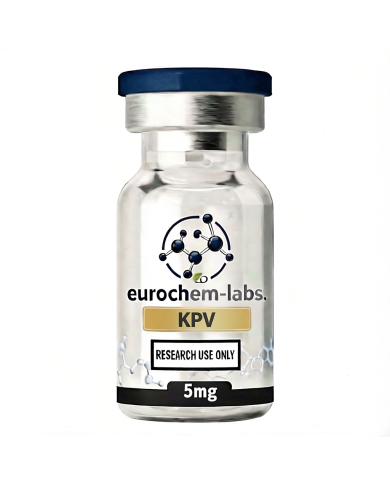
KPV peptide is a synthetic tripeptide derived from the alpha-melanocyte-stimulating hormone (α-MSH) sequence. The KPV peptide belongs to a class of regulatory peptides studied in peptide research for their role in inflammatory signaling and immune system regulation. Researchers investigate the KPV peptide to better understand how anti-inflammatory peptides influence cytokine signaling pathways and immune responses. Because peptides such as the KPV peptide interact with inflammatory pathways, this peptide has become an important subject of research in studies focused on immune regulation, inflammatory diseases, and peptide-based immune signaling.
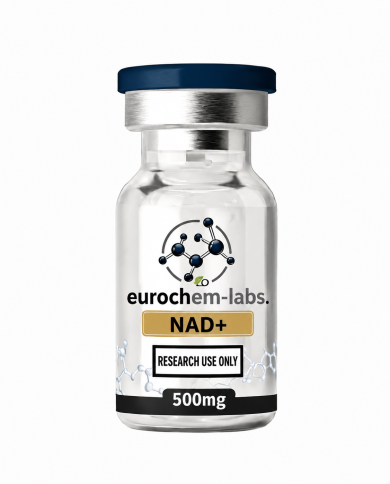
NAD+ (Nicotinamide Adenine Dinucleotide) is a vital cellular coenzyme found in all living cells. NAD+ plays a central role in cellular energy metabolism, mitochondrial function, and redox reactions that convert nutrients into ATP. This molecule is also essential for DNA repair, cellular signaling, and the activation of enzymes such as sirtuins and PARPs that regulate metabolic health and cellular stress responses. Because NAD+ levels naturally decline with age, NAD+ has become an important focus of research related to aging, metabolic function, and cellular health.
Semax is a synthetic peptide derived from a fragment of adrenocorticotropic hormone (ACTH). This research peptide is widely studied in scientific laboratories for its potential nootropic and neuroprotective properties. The Semax peptide has been investigated for its ability to support cognitive function, improve memory, and promote brain health in experimental settings. Researchers often explore this peptide for its potential role in protecting neural tissue and supporting neurorestorative processes. Due to its unique structure, the Semax peptide continues to be an important peptide of interest in neuroscience and peptide research.
NAD+ (Nicotinamide Adenine Dinucleotide) is a vital cellular coenzyme found in all living cells. NAD+ plays a central role in cellular energy metabolism, mitochondrial function, and redox reactions that convert nutrients into ATP. This molecule is also essential for DNA repair, cellular signaling, and the activation of enzymes such as sirtuins and PARPs that regulate metabolic health and cellular stress responses. Because NAD+ levels naturally decline with age, NAD+ has become an important focus of research related to aging, metabolic function, and cellular health.