Hrvatski
 Magyar
 Deutsch
 Español
There are no more items in your cart

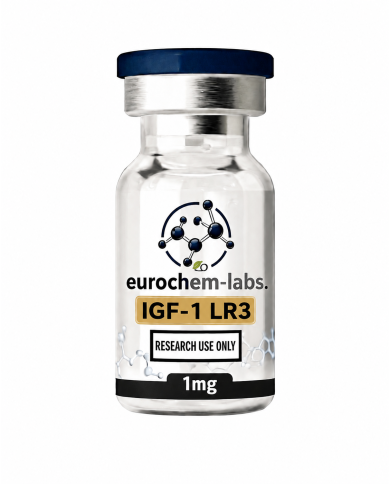
IGF-1 LR3 peptide is a synthetic analog of insulin-like growth factor-1 (IGF-1), engineered for extended biological activity and increased stability in peptide research. The IGF-1 LR3 peptide is widely studied in peptide and cellular research because growth factor-related peptides play an important role in cellular growth, protein synthesis, and metabolic signaling pathways. Researchers investigate the IGF-1 LR3 peptide to better understand how signaling peptides influence muscle cell activity, tissue growth, and cellular regeneration mechanisms. Because peptides such as the IGF-1 LR3 peptide participate in biological processes related to growth signaling and anabolic pathways, this peptide has become an important subject of research in studies focused on growth factors.
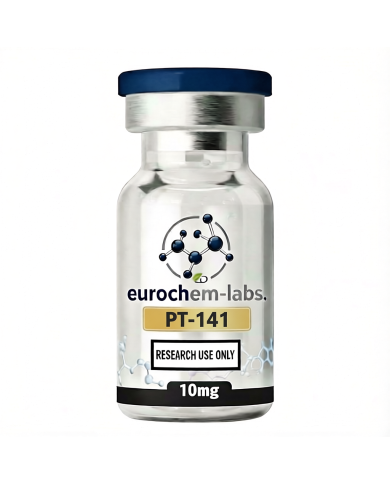
PT-141 (Bremelanotide) is a synthetic melanocortin peptide studied in peptide research for its interaction with melanocortin receptors involved in neurological signaling. The PT-141 peptide is derived from melanocortin-related peptides and is investigated for its ability to influence pathways in the central nervous system. Because melanocortin peptides play a role in several physiological signaling mechanisms, the PT-141 peptide has become an important peptide of interest in studies related to neurological peptides, regulatory peptides, and melanocortin receptor research.