Hrvatski
 Magyar
 Deutsch
 Español
There are no more items in your cart

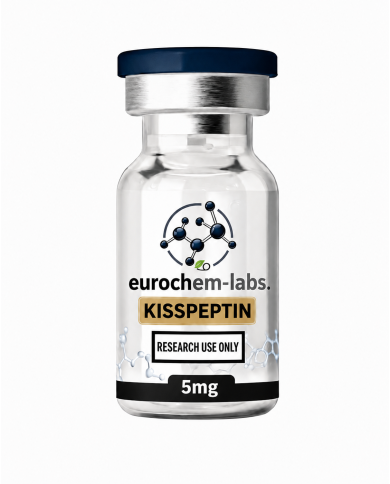
Peptides are widely studied in reproductive health research for their role in regulating hormonal activity and neurological signaling. In laboratory settings, these compounds are examined for their interaction with receptors in the central nervous system that influence libido, hormonal balance, and reproductive function.
Scientific research focuses on how peptides affect pathways related to sexual function, hormonal changes, and reproductive processes. They are commonly used in studies involving erectile dysfunction, hypoactive sexual desire disorder (HSDD), and hormonal variations during different life stages, including perimenopause.
For research purposes only. Not intended for human or animal use.