Hrvatski
 Magyar
 Deutsch
 Español
There are no more items in your cart

Peptide research in the field of longevity is rapidly evolving, offering new insights into the biological processes associated with aging. These compounds are studied for their interaction with key cellular pathways involved in regeneration, metabolic regulation, and overall cellular function.
In laboratory research, certain peptides are used to study mitochondrial efficiency, collagen synthesis, neuroplasticity, and the regulation of growth factors. Their targeted activity makes them valuable tools for scientists exploring mechanisms related to cellular repair, performance, and age-related changes.
For research purposes only. Not intended for human or animal use.
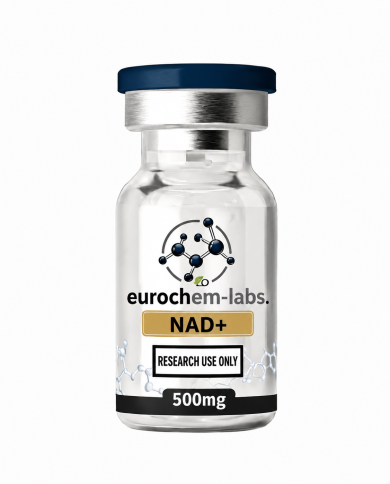
NAD+ (Nicotinamide Adenine Dinucleotide) is a vital cellular coenzyme found in all living cells. NAD+ plays a central role in cellular energy metabolism, mitochondrial function, and redox reactions that convert nutrients into ATP. This molecule is also essential for DNA repair, cellular signaling, and the activation of enzymes such as sirtuins and PARPs that regulate metabolic health and cellular stress responses. Because NAD+ levels naturally decline with age, NAD+ has become an important focus of research related to aging, metabolic function, and cellular health.