Hrvatski
 Magyar
 Deutsch
 Español
There are no more items in your cart

Peptides are an important subject in immune system research due to their role in regulating cellular communication and immune responses. In scientific studies, these compounds are used to examine how the body controls inflammation, cellular defense mechanisms, and immune balance.
Laboratory research focuses on how peptides interact with signaling pathways that influence the development and function of immune cells. They are also studied for their involvement in tissue repair, response to oxidative stress, and the regulation of normal immune activity.
For research purposes only. Not intended for human or animal use.
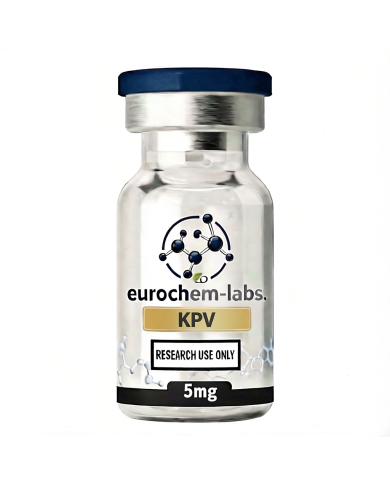
KPV peptide is a synthetic tripeptide derived from the alpha-melanocyte-stimulating hormone (α-MSH) sequence. The KPV peptide belongs to a class of regulatory peptides studied in peptide research for their role in inflammatory signaling and immune system regulation. Researchers investigate the KPV peptide to better understand how anti-inflammatory peptides influence cytokine signaling pathways and immune responses. Because peptides such as the KPV peptide interact with inflammatory pathways, this peptide has become an important subject of research in studies focused on immune regulation, inflammatory diseases, and peptide-based immune signaling.
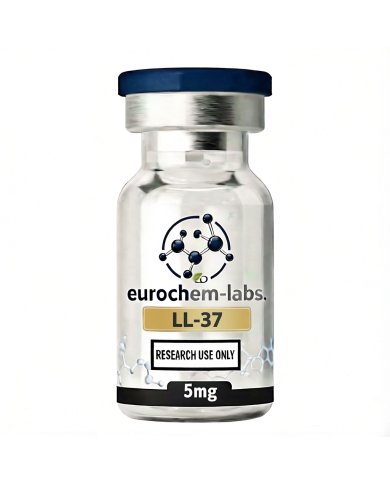
LL-37 peptide is a synthetic antimicrobial peptide belonging to the cathelicidin family of host-defense peptides. The LL-37 peptide is widely studied in peptide research because antimicrobial peptides such as the LL-37 peptide play an important role in immune defense and inflammatory signaling pathways. Researchers investigate the LL-37 peptide to better understand how host-defense peptides interact with immune cells, microbial membranes, and infection-related pathways. Because peptides such as the LL-37 peptide are involved in innate immune responses, this peptide has become an important subject of research in studies related to antimicrobial peptides, immune regulation, and inflammatory signaling.
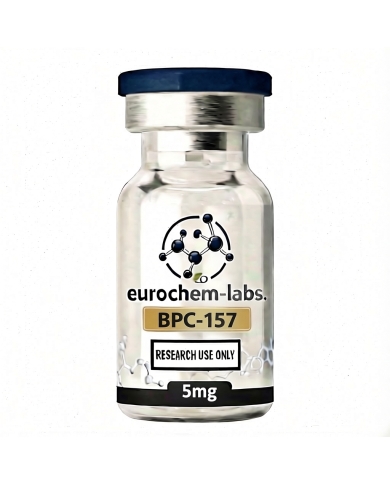
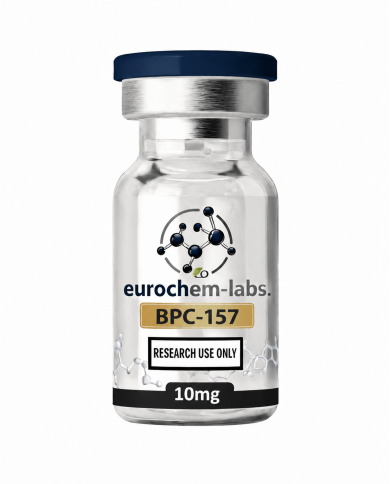
BPC-157 peptide is a synthetic pentadecapeptide derived from a protective protein found in gastric tissue. The BPC-157 peptide belongs to a class of regenerative peptides studied in peptide research for their role in tissue repair, cellular signaling, and inflammatory pathway regulation. Researchers investigate the BPC-157 peptide to better understand how regenerative peptides influence biological processes such as tissue regeneration, muscle physiology, and cellular recovery. Because peptides such as the BPC-157 peptide interact with pathways involved in tissue repair and inflammatory signaling, this peptide has become an important subject of research in studies related to regenerative peptides, gastrointestinal biology, and peptide-based healing mechanisms.
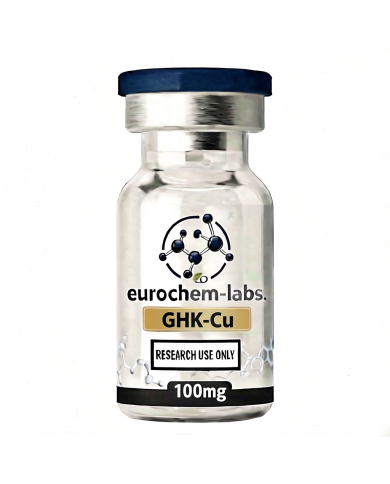
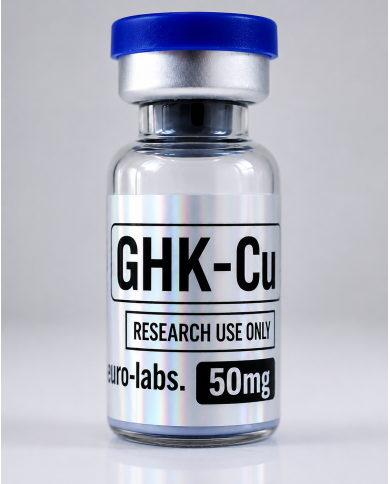
GHK-Cu peptide is a copper-binding peptide belonging to a class of regulatory peptides studied in peptide research for their role in skin biology, tissue repair, and cellular signaling. The GHK-Cu peptide is a naturally occurring copper peptide that forms when the GHK peptide binds with copper ions. In peptide research, GHK-Cu peptides are widely studied for their interaction with biological pathways related to collagen production, tissue regeneration, and skin health. Because copper peptides such as the GHK-Cu peptide influence cellular repair mechanisms, this peptide has become an important subject of research in studies related to regenerative peptides, skin biology, and peptide-based tissue repair.
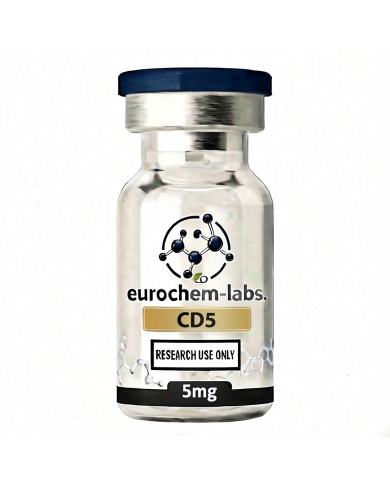
CD5 Peptide is a synthetic immune-regulating peptide designed to study the modulation of immune cell activity and immune system signaling. The CD5 peptide is derived from the CD5 glycoprotein, an important receptor expressed on T lymphocytes and certain B lymphocytes that plays a role in immune regulation. In peptide research, the CD5 peptide is investigated for its potential influence on signal transduction pathways involved in immune tolerance and inflammatory responses. Because regulatory peptides such as the CD5 peptide interact with immune signaling mechanisms, this peptide has become a subject of interest in studies exploring immune modulation, inflammation pathways, and peptide-based immune research.
GHK-Cu peptide is a copper-binding peptide belonging to a class of regulatory peptides studied in peptide research for their role in skin biology, tissue repair, and cellular signaling. The GHK-Cu peptide is a naturally occurring copper peptide that forms when the GHK peptide binds with copper ions. In peptide research, GHK-Cu peptides are widely studied for their interaction with biological pathways related to collagen production, tissue regeneration, and skin health. Because copper peptides such as the GHK-Cu peptide influence cellular repair mechanisms, this peptide has become an important subject of research in studies related to regenerative peptides, skin biology, and peptide-based tissue repair.
BPC-157 peptide is a synthetic pentadecapeptide derived from a protective protein found in gastric tissue. The BPC-157 peptide belongs to a class of regenerative peptides studied in peptide research for their role in tissue repair, cellular signaling, and inflammatory pathway regulation. Researchers investigate the BPC-157 peptide to better understand how regenerative peptides influence biological processes such as tissue regeneration, muscle physiology, and cellular recovery. Because peptides such as the BPC-157 peptide interact with pathways involved in tissue repair and inflammatory signaling, this peptide has become an important subject of research in studies related to regenerative peptides, gastrointestinal biology, and peptide-based healing mechanisms.