Hrvatski
 Magyar
 Deutsch
 Español
There are no more items in your cart

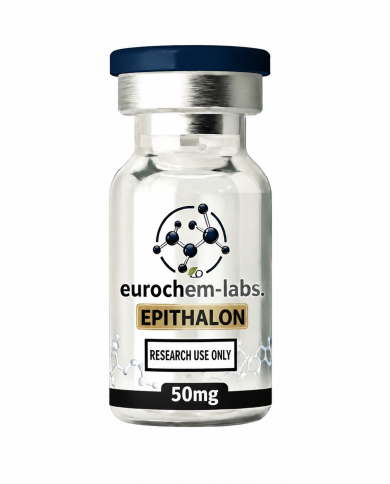
Epithalon is a synthetic bioregulatory peptide composed of four amino acids: alanine, glutamic acid, aspartic acid, and glycine. This Epithalon peptide was developed based on research into epithalamin, a naturally occurring peptide produced by the pineal gland. The Epithalon peptide is widely studied in peptide research for its potential role in regulating biological rhythms and cellular aging processes. Researchers investigate this peptide for its possible influence on telomerase activity, which is associated with cellular lifespan and telomere maintenance. Due to these characteristics, the Epithalon peptide has become an important peptide of interest in studies focused on aging, cellular regeneration, and peptide-based bioregulation.
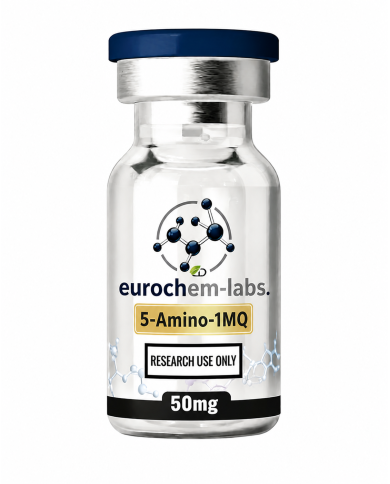
5-Amino-1MQ is a synthetic small molecule derived from research into nicotinamide N-methyltransferase (NNMT) inhibition. This compound is widely studied in metabolic and cellular research due to its potential influence on energy metabolism and fat cell regulation. Researchers investigate 5-Amino-1MQ for its possible role in modulating pathways related to cellular energy balance, adipose tissue function, and metabolic efficiency. Because NNMT activity has been linked to metabolic processes, 5-Amino-1MQ has become a compound of interest in studies focused on weight regulation, cellular metabolism, and metabolic disorders.
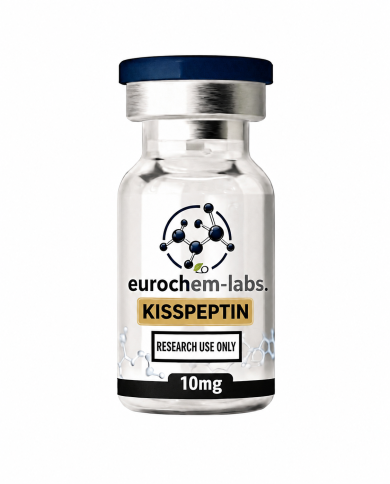
Kisspeptin peptide is a regulatory peptide involved in hormonal signaling and reproductive function research. The Kisspeptin peptide is widely studied in peptide research because peptides related to kisspeptin signaling play an important role in the regulation of the hypothalamic-pituitary-gonadal (HPG) axis and endocrine communication pathways. Researchers investigate the Kisspeptin peptide to better understand how signaling peptides influence hormone release, reproductive physiology, and neuroendocrine activity. Because peptides such as the Kisspeptin peptide participate in biological processes related to hormonal regulation and cellular communication, this peptide has become an important subject of research in studies focused on endocrine peptides, reproductive biology.
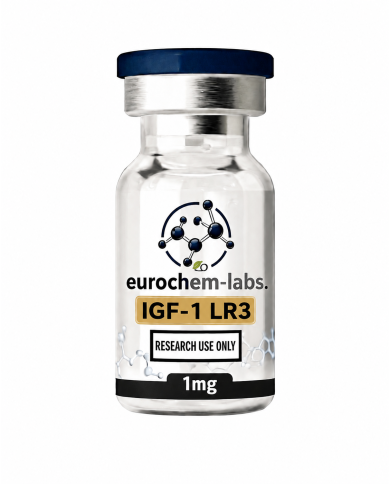
IGF-1 LR3 peptide is a synthetic analog of insulin-like growth factor-1 (IGF-1), engineered for extended biological activity and increased stability in peptide research. The IGF-1 LR3 peptide is widely studied in peptide and cellular research because growth factor-related peptides play an important role in cellular growth, protein synthesis, and metabolic signaling pathways. Researchers investigate the IGF-1 LR3 peptide to better understand how signaling peptides influence muscle cell activity, tissue growth, and cellular regeneration mechanisms. Because peptides such as the IGF-1 LR3 peptide participate in biological processes related to growth signaling and anabolic pathways, this peptide has become an important subject of research in studies focused on growth factors.
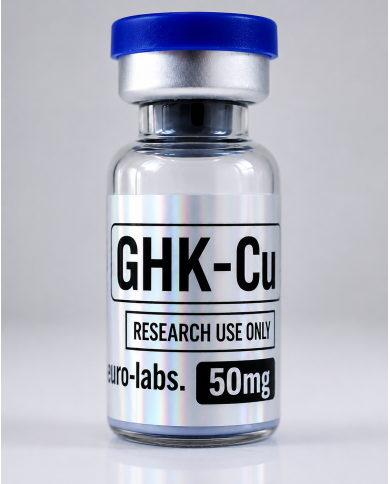
GHK-Cu peptide is a copper-binding peptide belonging to a class of regulatory peptides studied in peptide research for their role in skin biology, tissue repair, and cellular signaling. The GHK-Cu peptide is a naturally occurring copper peptide that forms when the GHK peptide binds with copper ions. In peptide research, GHK-Cu peptides are widely studied for their interaction with biological pathways related to collagen production, tissue regeneration, and skin health. Because copper peptides such as the GHK-Cu peptide influence cellular repair mechanisms, this peptide has become an important subject of research in studies related to regenerative peptides, skin biology, and peptide-based tissue repair.